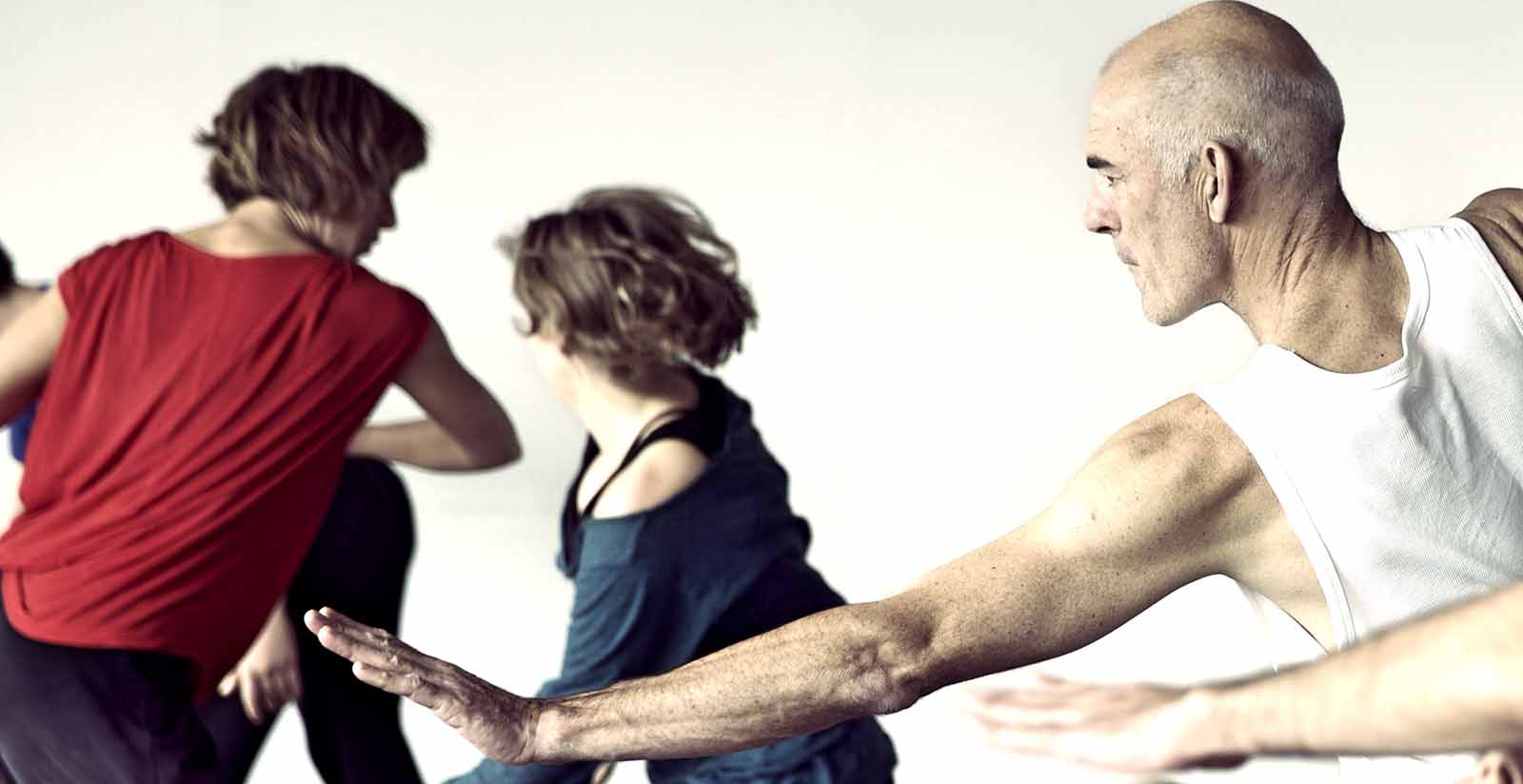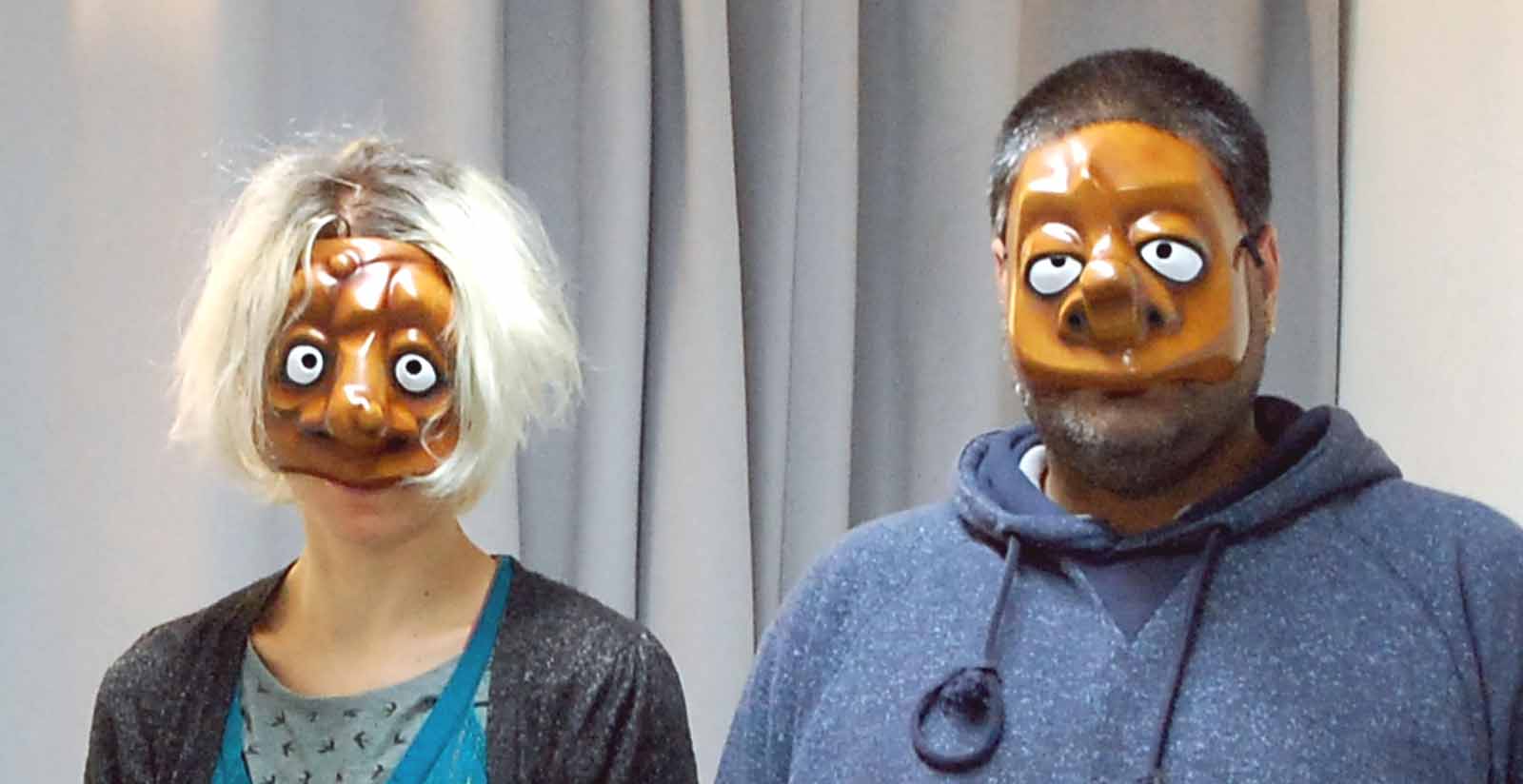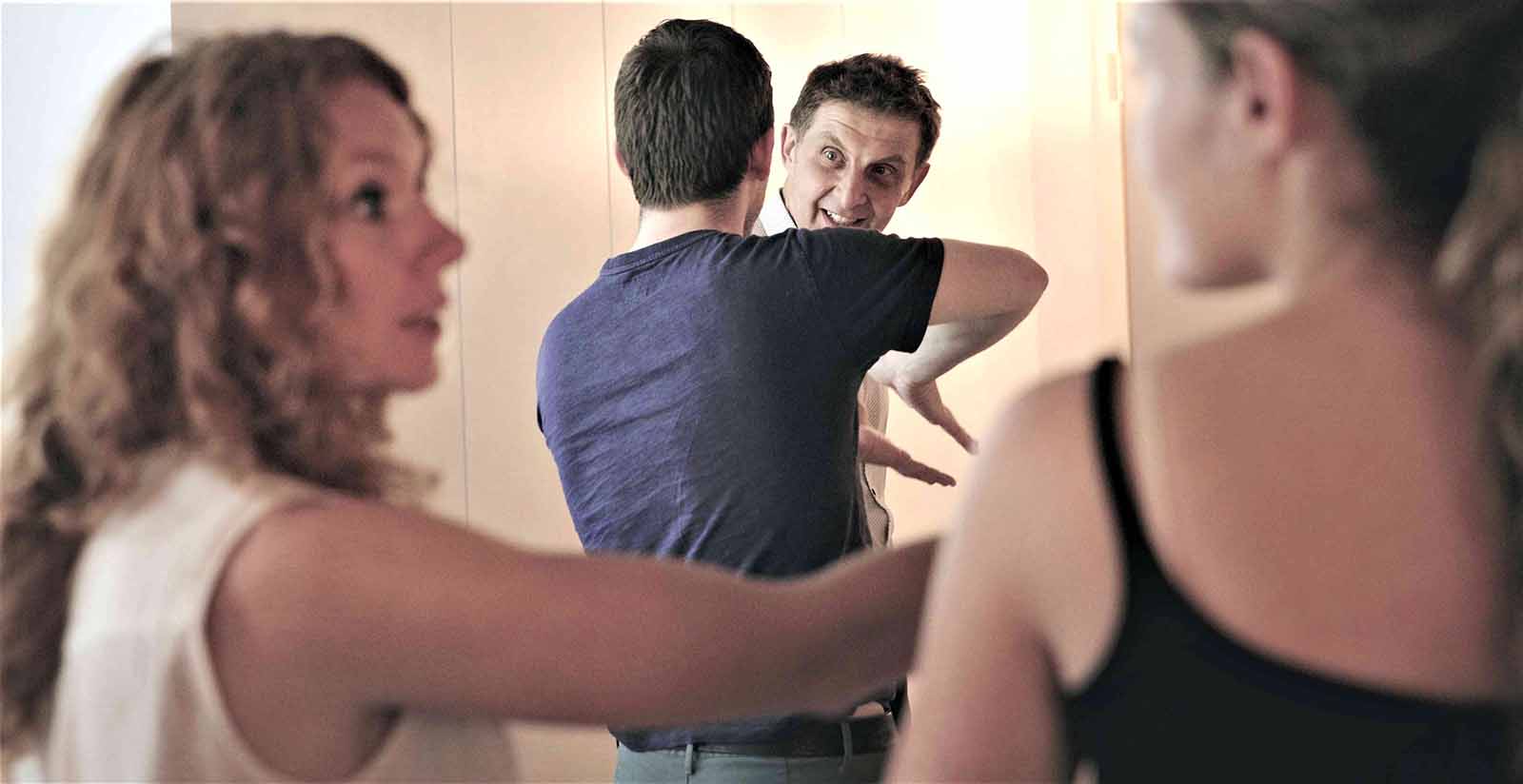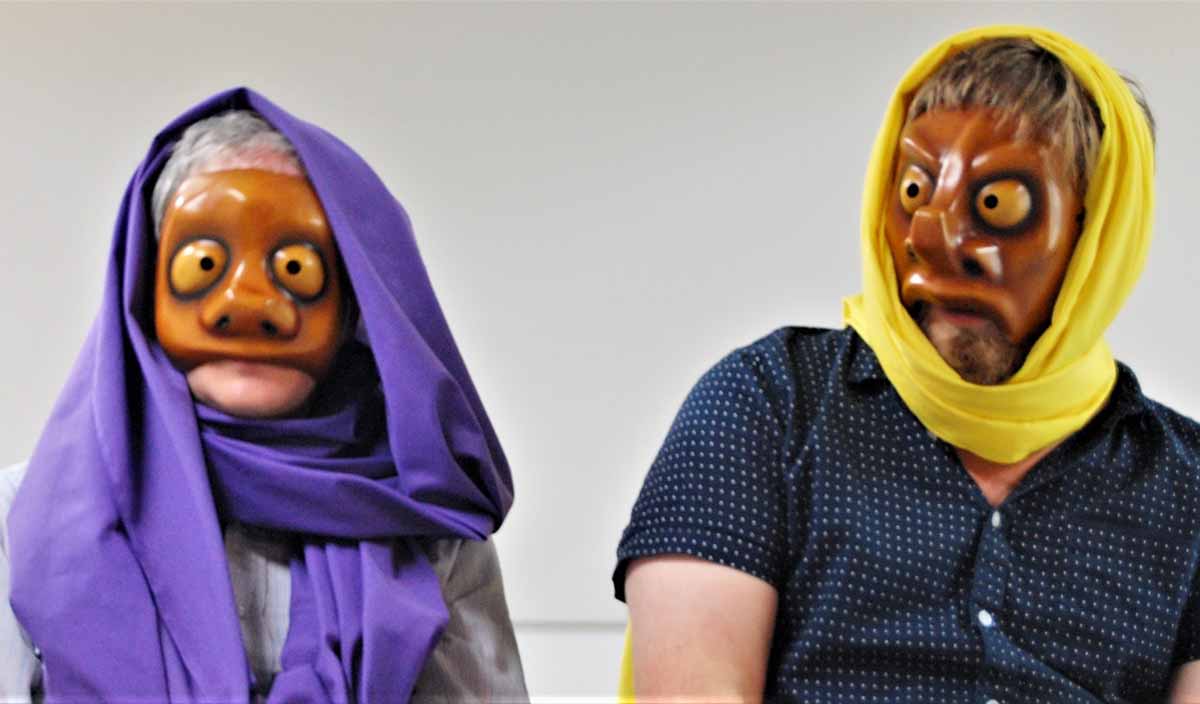


Connection, not content, is the key to creativity. Expressing genuine feelings and staying curious about our partners reactions creates a dynamic interplay that can’t be scripted. These authentic exchanges lead to inspiring juxtapositions. Characters breathe, stories unfold, and the work takes on a life of its own.
The urge to plan ahead in improvisation stems from a natural fear of failure. We don’t want to look unprepared or foolish, so we cling to ideas. But when players fixate on their own premeditated contributions, they lose the ability to tune in to the moment and to one another. Scenes become fragmented as ideas collide rather than cohere. The energy onstage might be high, but it lacks direction, leaving performers and audiences unfulfilled.
By contrast, focusing on feelings rather than thoughts opens the door to connection. "I feel tense. Maybe I admire this person and I want to impress them?" This informs our character in a more naturalistic way than any plan we could make. When we take the time to fully inhabit the present, breathe, observe, and respond, we engage with our surroundings rather than getting trapped in our thoughts. The result is smoother scenes and richer, more textured performances that resonate with truth and humanity.